NEWYou can now listen to Fox News articles!
During the Advent season, we remember the story of love incarnate, God stepping into our world to show us what true devotion looks like. Advent teaches us to wait, to expectantly hope, and to trust God’s timing even when the path ahead is uncertain. In that light, the quiet, costly commitment of Joseph, Jesus’ earthly father, gives us a shining example.
To our modern culture obsessed with being seen and celebrated, Joseph’s patience, obedience, and sacrificial love stand in stark contrast. His life reveals a depth of character our world desperately needs, especially among men, and offers a blueprint for husbands, fathers, and citizens who want to lead with honor and protect what matters most.
Advent invites us not only to celebrate Christ’s birth, but to reflect on the kind of faith and obedience that paved the way for His arrival. When Joseph learned that Mary was with child, he faced a crossroads that would define the rest of his life. By every cultural standard of his day, he had the right to step away. Doing so would have preserved his reputation and spared him the questions and judgment that were sure to follow. But Joseph chose a different path, one marked by obedience, humility and courage. He chose love that protects and provides, even when it costs something.
FIRST SUNDAY OF ADVENT REMINDS US THAT HOPE IS OUR CALLING EVEN IN THE DARKEST TIMES
Scripture tells us Joseph was a righteous man, but righteousness isn’t just moral cleanliness, it’s moral courage. After the angel appeared to him in a dream, Joseph’s first instinct wasn’t self-preservation, it was protection. He took Mary as his wife, shielding her from shame. He stayed by her side as they traveled to Bethlehem. He provided a safe place for her to deliver the Savior of the world. And when danger threatened from King Herod, Joseph didn’t hesitate; He gathered his family in the dark of night and fled to Egypt to ensure their safety.
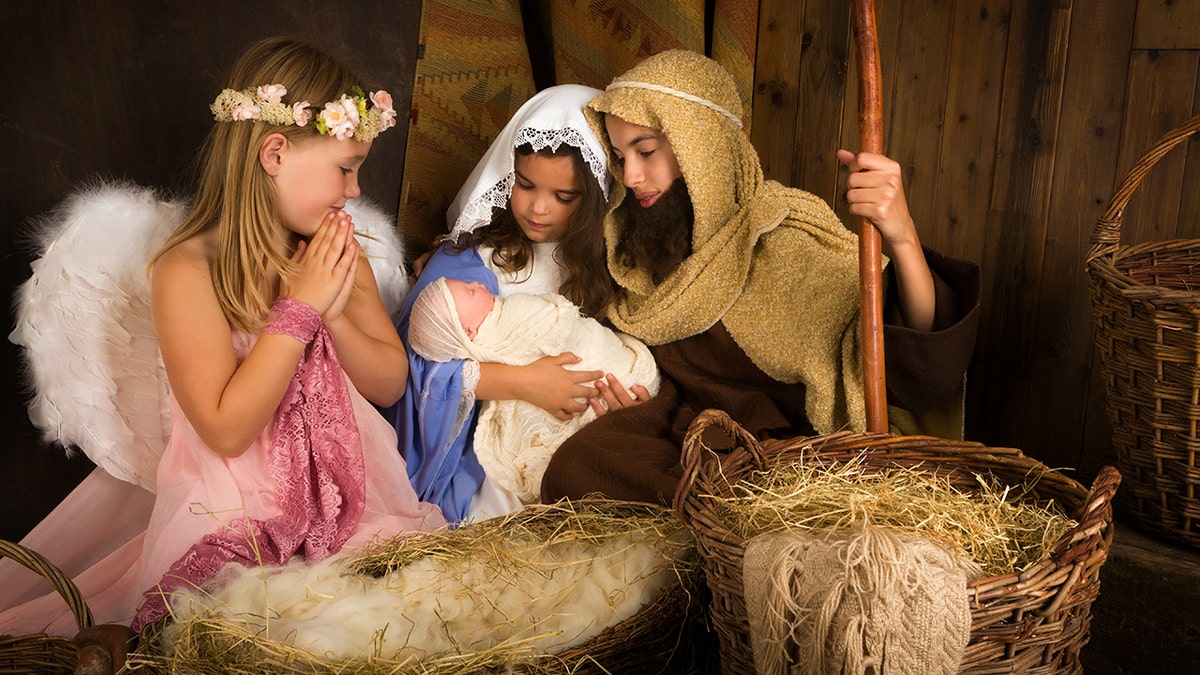
Little 7-year-old angel visiting a nativity scene reenacted with a doll. (iStock)
Joseph’s love was not loud. It wasn’t attention-seeking or dramatic. It was steady, faithful, and fiercely protective. He lived behind the scenes, working dutifully as a carpenter to make sure Mary and Jesus had what they needed. That kind of love rarely gets applause, but it’s the backbone of strong families and stable communities. In my own work training men to protect their homes and communities, I can tell you quiet, consistent responsibility is one of the most underrated virtues in our culture.
We’ve come to think of love as an emotion, something expressed in words, grand gestures or public displays. But Joseph demonstrated that true love is bearing responsibility. It’s taking action when it would be easier to look away. It’s standing your post when no one is watching. It’s sacrificing your comfort for someone else’s safety. Love, at its best, is a shield.
ADVENT PEACE DEMANDS ACTION: DEFEND THOSE WHO RISK THEIR LIVES TO WORSHIP FREELY
Joseph’s story reminds us that provision is far more than putting food on the table. Yes, he worked with his hands to support his family, but he also offered Mary something every home needs, emotional steadiness and spiritual clarity in moments of uncertainty.
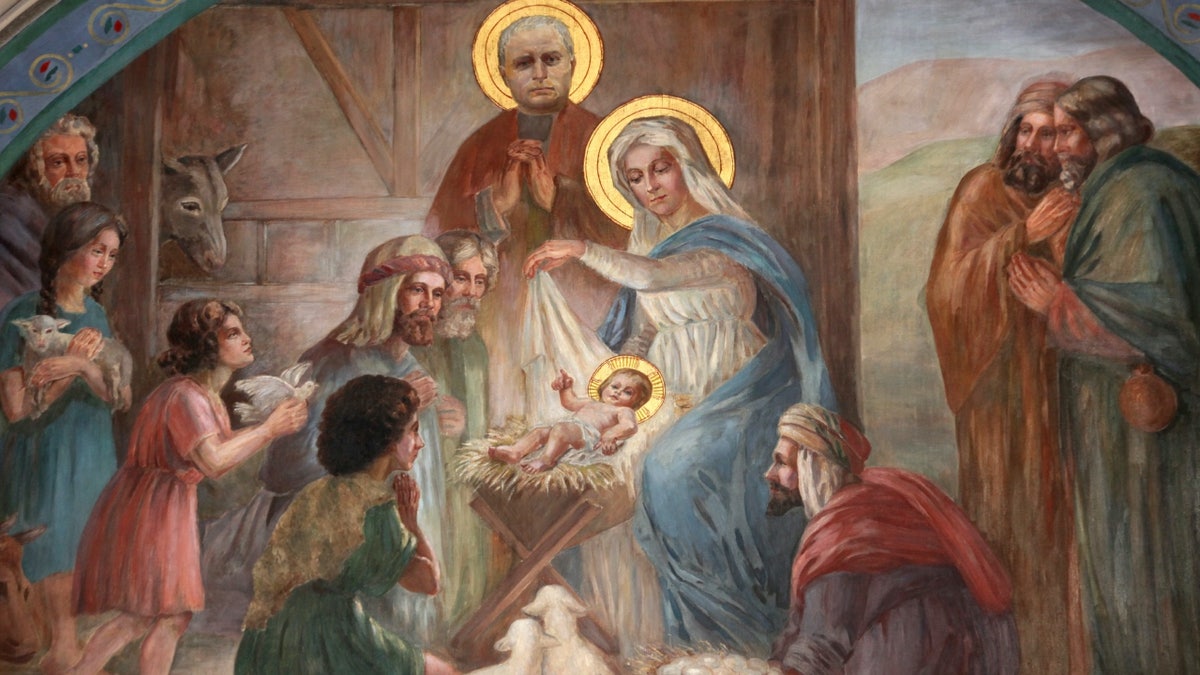
Joseph’s love was not loud. It wasn’t attention-seeking or dramatic. It was steady, faithful, and fiercely protective. (Fred de Noyelle via Getty Images)
Today, provision can mean creating an atmosphere where your family feels safe, heard, and supported. It’s being dependable when life feels unpredictable and staying engaged when distractions compete for your attention. True provision isn’t measured in income alone, but in the intangible things that build stability within a home.
Joseph’s story reminds us that provision is far more than putting food on the table. Yes, he worked with his hands to support his family, but he also offered Mary something every home needs, emotional steadiness and spiritual clarity in moments of uncertainty.
We need to recover a vision of our families as blessings entrusted to our care. John 15:13 tells us, "Greater love has no one than this, that someone lay down his life for his friends" (ESV).
That kind of love isn’t only about dramatic sacrifice, but about the daily choice to put others first. In a culture shaped by self-interest, choosing self-denial stands out.
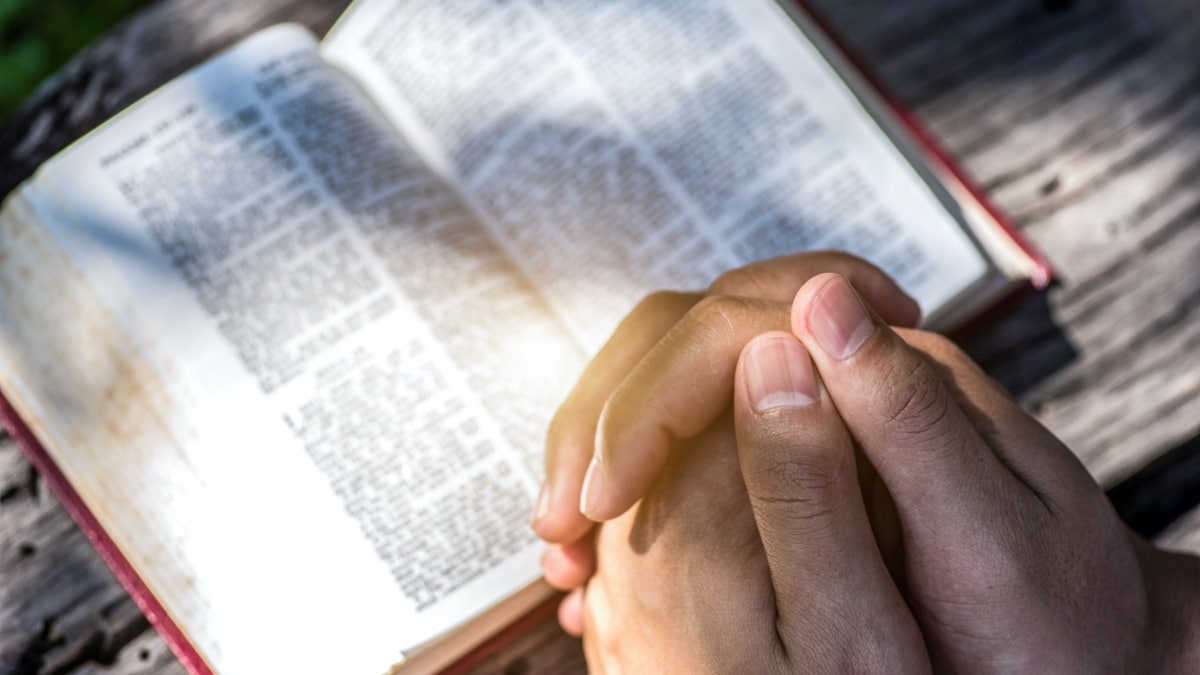
We need to recover a vision of our families as blessings entrusted to our care. John 15:13 tells us, "Greater love has no one than this, that someone lay down his life for his friends" (ESV). (boonchai wedmakawand via Getty Images)
CLICK HERE FOR MORE FOX NEWS OPINION
Joseph modeled this when he set aside his own plans to follow God’s direction for his family, and his obedience shaped the home that raised Jesus. For us today, we practice this same sacrificial love by showing up when it’s inconvenient, leading with patience instead of frustration, trading excuses for responsibility, and choosing presence over distraction. These small decisions, made consistently, are what strengthen families and form godly character in the next generation.
In my world of readiness training, we often talk about standing guard — physically, mentally, spiritually and emotionally. We are the first line of defense for our families, and what a privilege it is to love, nurture and guide them. It is not a burden, but a gift that God has entrusted to us.
CLICK HERE TO DOWNLOAD THE FOX NEWS APP
Today, as we close out the Advent season, on the fourth Sunday in Advent, celebrating love, we need that same spirit in our homes, churches, and communities — the understanding that love isn’t passive, it acts. Being a protector and provider is not outdated; it is essential.
Joseph shows us that sacrificial love isn’t weakness — it’s quiet strength and faithfulness. And if we follow his example, we won’t just talk about love, we’ll live it in a way that brings peace and safety to everyone entrusted to us.
Jimmy Graham, CEO of Able Shepherd, is a veteran Navy SEAL and former CIA Global Response Staff Protective Officer with over two decades of experience in high-risk environments worldwide. He and his team trains civilians, law enforcement and first responders across the U.S. in armed and unarmed response to active threats to improve community safety and preparedness.