NEWYou can now listen to Fox News articles!
Federal authorities say a foiled plot targeting a planned UFC event at the White House is the latest case to raise concerns about the role the internet can play in radicalizing people and connecting would-be attackers.
According to court documents, the men accused in the UFC plot allegedly communicated through encrypted messaging platforms and discussed plans involving drones, firearms and attacks on government officials.
Rather than involving a single suspect acting alone, authorities allege the case involved multiple individuals who connected online and shared extremist beliefs. Investigators have increasingly warned that digital communities can help spread radical ideologies and, in some cases, encourage real-world violence.
From alleged ISIS supporters to anti-government extremists, authorities have repeatedly linked high-profile terror and violent crime investigations to online networks where radical beliefs can spread rapidly. Here are some recent examples.
5 CHILLING DETAILS FROM THE ALLEGED WHITE HOUSE ATTACK PLOT TIED TO UFC EVENT
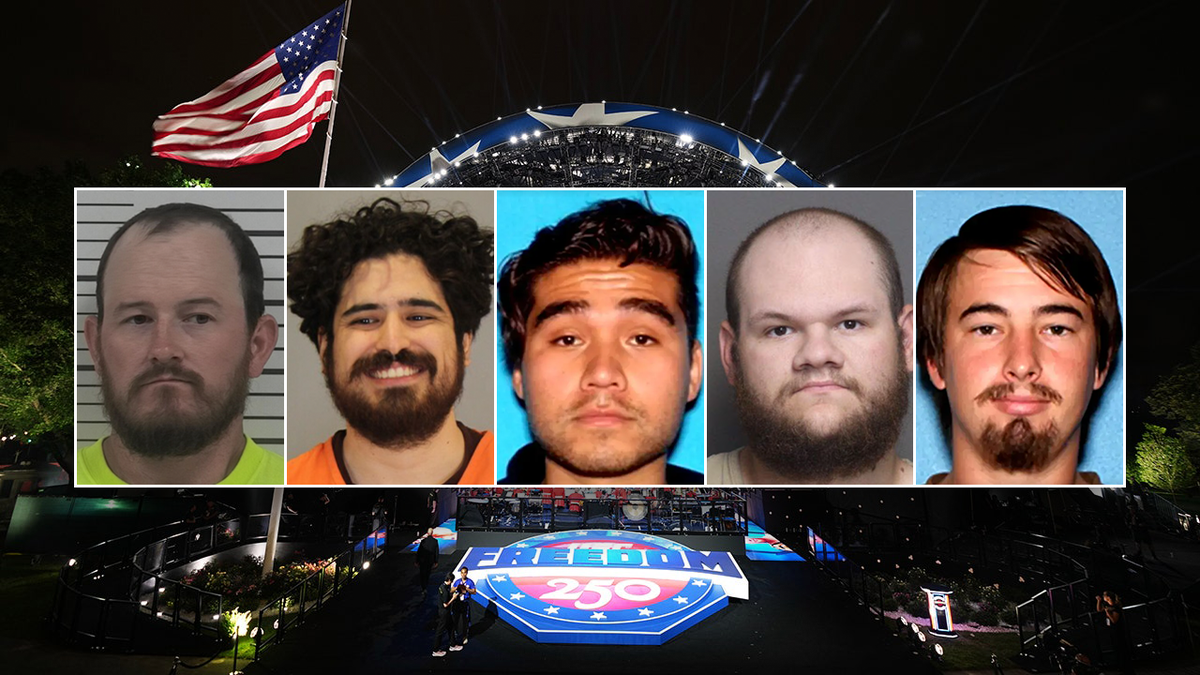
The five suspects charged in an alleged plot targeting President Donald Trump and other officials during the UFC Freedom 250 event at the White House. From left: Daniel K. Eskridge, Abraham Hermosillo Alvarez, Bryan Omar Roa, Michael Alan Thomas and Tycen C. Proper. (Jacquelyn Martin- Pool/Getty Images)
1. Alleged White House UFC terror plot
The investigation into the alleged plot targeting UFC Freedom 250 at the White House earlier this month began, in part, after a concerned mother in Ohio contacted authorities about her 19-year-old son.
According to court documents, Tycen Proper's mother reported concerns about his recent firearms purchases and troubling online communications. Another family member told investigators Proper had recently met people online and was planning to leave home to conduct "missions" and "recons" with them.
The suspects were identified as Proper; Bryan Omar Roa, 24, of California; Michael Alan Thomas, 32, of California; Daniel K. Eskridge, 32, of Kidder, Missouri; and Abraham Hermosillo Alvarez, 31, of Omaha, Nebraska.
In California, Roa's family also noticed alarming changes. Family members told investigators he had become increasingly isolated, spent more time with a new group of online friends and spoke cryptically about traveling to Washington, D.C., where "something big" would happen. According to court filings, relatives feared he intended to commit an act of violence.
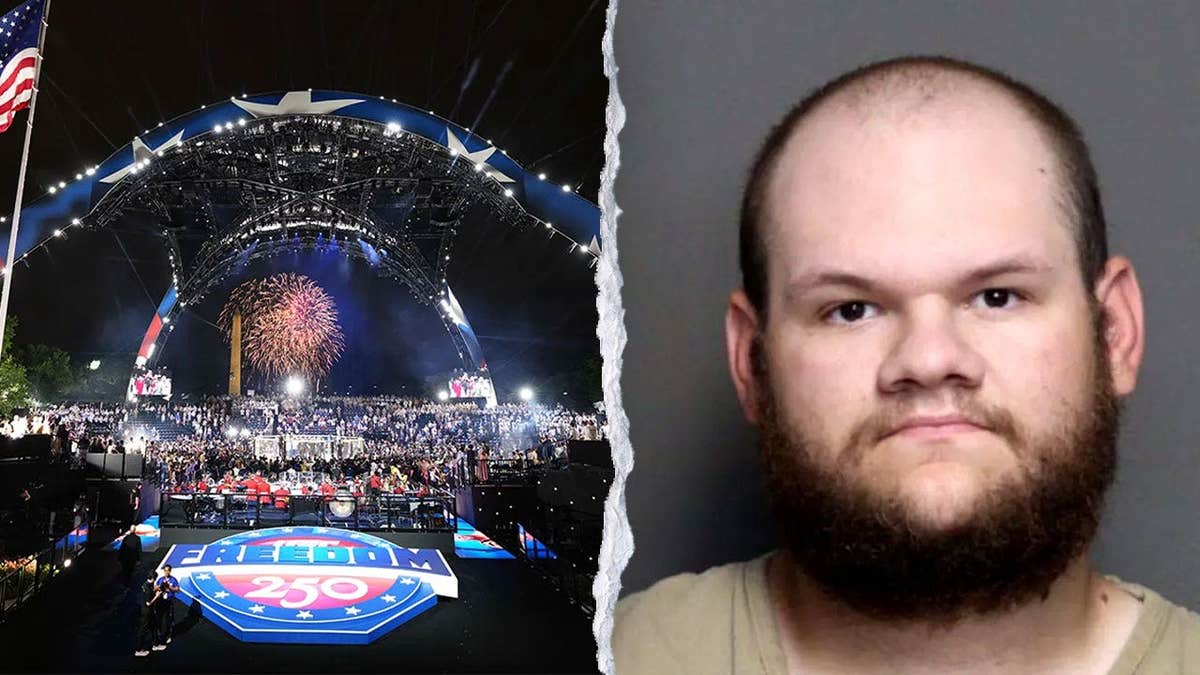
Tycen Proper, right, first came to investigators' attention after his mother contacted authorities over concerns about his behavior, according to court documents. Prosecutors allege Proper was involved in a plot targeting UFC Freedom 250, pictured at left. (Jacquelyn Martin - Pool/Getty Images and Franklin County Sheriff's Office)
🚨 Have a tip about crime, public safety, or an issue impacting your community?
📩 Email: [email protected]
📸 Instagram: @fndstephprice
🎥 X: @StephenyPrice
Whether it's a developing case, concerning trend, or something you think deserves attention, your information could help lead our next story or investigation.
Federal authorities allege Proper, Roa and the three other men connected through online communities before moving their conversations to encrypted messaging apps. Prosecutors say the group discussed using explosive-laden drones to trigger panic at the White House event before positioning snipers to target "high value targets" as attendees fled.
Court documents allege one participant wrote that "$1300 gets us the drones and the charges," while another urged the group to acquire "as many and as deadly as we can get" when discussing drones.
Authorities say the group had discussed assigning roles ranging from shooters and drone operators to logistics coordinators and social media influencers. FBI Director Kash Patel said authorities "stopped cold" the alleged plot before it could be carried out.
2. Alleged ISIS-inspired Halloween terror plot
Federal authorities accused six young men from Michigan, New Jersey and Washington state of connecting online through pro-ISIS circles and plotting a Halloween attack last year before authorities disrupted the alleged scheme.
HABBA: DOJ MOVED ‘SWIFTLY AND DECISIVELY’ TO STOP ISIS-LINKED HALLOWEEN TERROR PLOT TARGETING JEWS
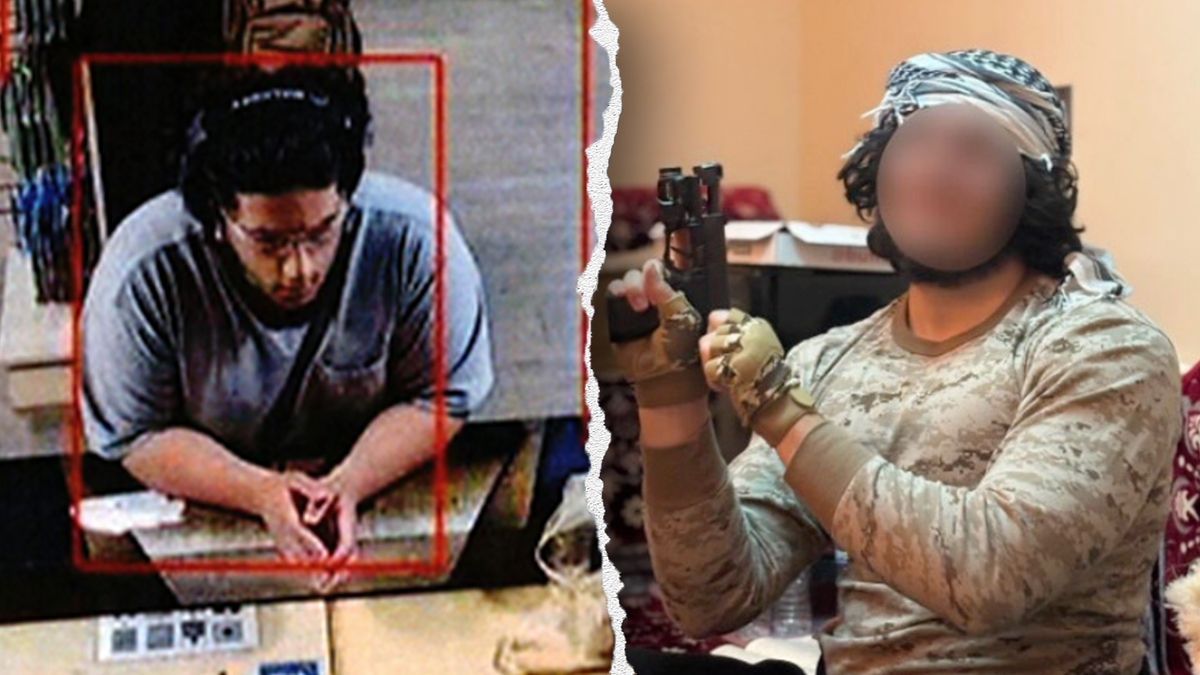
Two suspects stand at a gun range counter in Michigan while a New Jersey suspect takes a selfie with a blurred face in a photo linked to an alleged Halloween terror plot. (Eastern District of Michigan, District of New Jersey)
The group included suspects from Dearborn, Michigan; Montclair, New Jersey; and Kent, Washington. According to court documents, investigators allege the men communicated through encrypted chats and voice calls, using code words such as "vacation" for jihad, "pumpkin" for a Halloween attack, "pew" for firearms and "Thanksgiving land" for Turkey as they discussed their plans.
Authorities say the suspects consumed extremist content online and became increasingly radicalized through virtual interactions. Investigators also alleged some members discussed traveling overseas to join ISIS, while others researched previous mass shootings and terrorist attacks.
According to court filings, one suspect allegedly said he hoped an attack would earn him a documentary and his own Wikipedia page. Another allegedly searched for body-camera and GoPro footage from mass shootings. Federal authorities ultimately accused the group of moving from online discussions to planning a real-world attack inspired by ISIS.
FEDS ARREST TWO ADDITIONAL SUSPECTS IN THWARTED ISIS-INSPIRED HALLOWEEN PLOT: SOURCE
3. Alleged ISIS-inspired Gracie Mansion attack
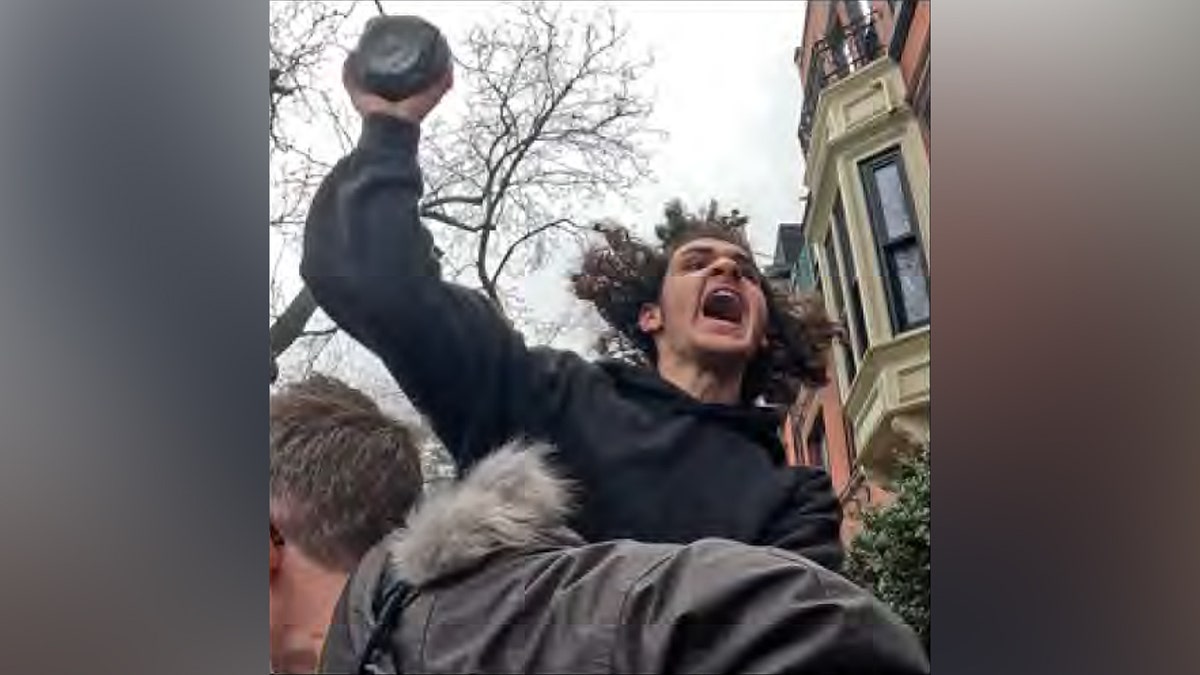
A suspect accused in an ISIS-inspired terror attack outside the New York City mayor’s residence raises his arm during a protest prior to his arrest in New York City. (Justice Department Office of Public Affairs)
In March, federal authorities accused two Pennsylvania men of driving nearly two hours to New York City and throwing explosive devices near Gracie Mansion, the official residence of Mayor Zohran Mamdani, in what prosecutors described as an ISIS-inspired attack.
Emir Balat, 18, of Langhorne, and Ibrahim Kayumi, 19, of Newtown, allegedly pledged allegiance to ISIS and sought to surpass the notoriety of previous terror attacks, according to federal authorities. Prosecutors said the pair traveled from suburban Philadelphia to Manhattan before allegedly throwing a homemade explosive device containing TATP and packed with nuts and bolts near a protest outside the mayor's residence.
STORAGE FACILITY RAIDED AS FEDS INVESTIGATE ALLEGED ISIS-INSPIRED NYC BOMB THROWERS
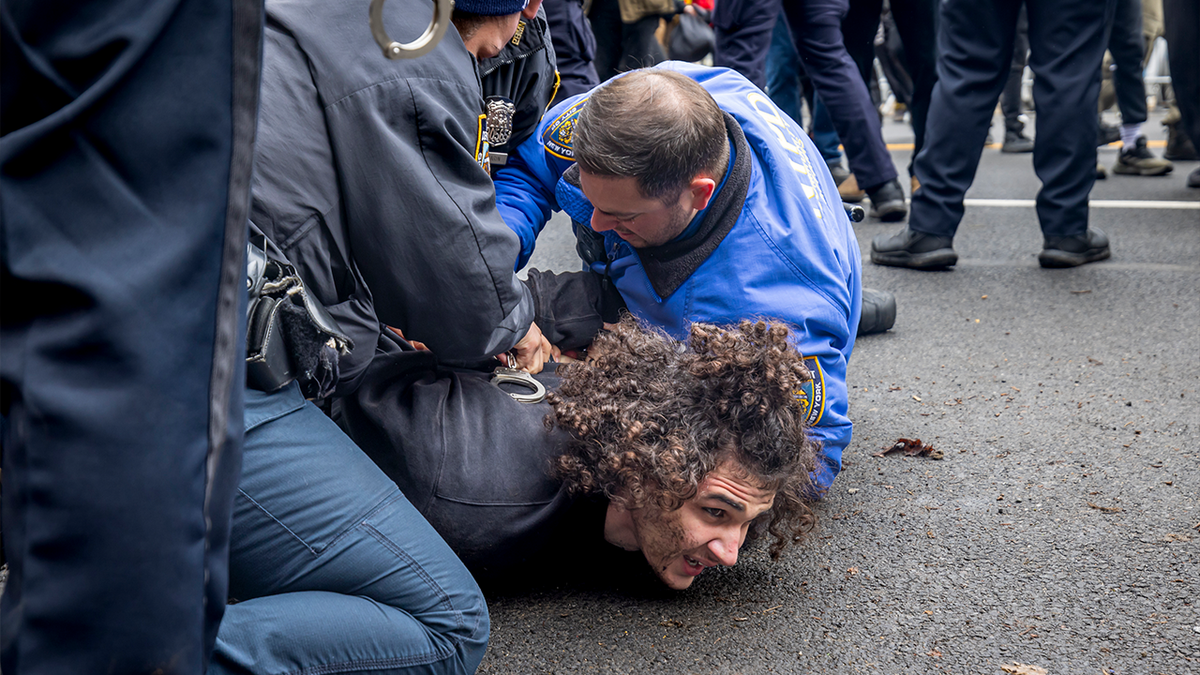
Emir Balat, 18, is arrested after throwing an alleged explosive device during a protest outside Gracie Mansion in New York City. (Michael Nigro/Pacific Press/LightRocket via Getty Images)
The case drew attention because the suspects came from seemingly ordinary suburban backgrounds. Family members reported Kayumi missing after he failed to return home, while neighbors described Balat's family as "absolutely lovely people" and said they never noticed anything suspicious.
Authorities allege the pair embraced extremist beliefs online years after ISIS lost its territorial caliphate and then moved from rhetoric to action. Both men were arrested shortly after the alleged attack.
While the ideologies, targets and suspects vary from case to case, experts say many modern radicalization investigations follow a similar pattern.
"Like-minded folks feed off one another in social-media spaces until somebody takes the next step and decides to kill. That's the key to radicalization today," former New York homeland security adviser Michael Balboni previously told Fox News Digital.
Retired FBI Supervisory Special Agent Jason Pack said the UFC case reflects a shift from the lone-actor radicalization cases investigators frequently encountered years ago.
"Fifteen years ago, when I worked as an FBI agent on the Joint Terrorism Task Force, we dealt mostly with isolated individuals getting radicalized alone in their basement, inspired by foreign terrorists," Pack told Fox News Digital. "That still happens. But what we're seeing now can be a little different. These appear to be networked conspiracies that assemble online and move fast."
According to Pack, social media platforms and encrypted messaging apps can provide a sense of belonging and purpose for people searching for community.
"Someone finds a group on social media or an encrypted chat. The group validates their anger. They get assigned a role. 'You're the planner.' 'You're the weapons guy.' Suddenly they matter," Pack said. "Peer pressure kicks in. Everyone in the group is saying the same thing. That's powerful."
Pack said one of the biggest warning signs for parents is when online grievances evolve into detailed planning.
"The real shift is when they move from complaining about the government in general to researching specific people, specific addresses, specific security patterns," he said. "That's way more than venting. It's getting into planning."
While Pack cautioned that most online extremist groups never progress from rhetoric to violence, he said the cases highlighted above share a common theme.
CLICK HERE TO DOWNLOAD THE FOX NEWS APP
"Most stay in venting and complaining," Pack said. "The ones that shift to operational planning are still relatively rare. But when it happens, it happens fast because they've been validated, assigned roles and committed publicly to the group."
Across the cases highlighted above, investigators repeatedly pointed to online communications, encrypted messaging apps and digital communities as common threads in the alleged plots.
Fox News Digital's Alec Schemmel, Michael Ruiz, Adam Sabes and Greg Wehner contributed to this report.
Stepheny Price is a Writer at Fox News with a focus on West Coast and Midwest news, missing persons, national and international crime stories, homicide cases, and border security.