NEWYou can now listen to Fox News articles!
The Carolinas are experiencing a population boom driven by a combination of high-paying job opportunities, relative affordability, and an influx of retirees, according to a recent report from the economic forecasting firm Oxford Economics.
The report highlights that "Carolina migration is driven by job opportunities, affordability, and retirees," noting that the region's diverse employment landscape and lower living costs have created a powerful draw for those living in more expensive coastal hubs.
While North Carolina saw the highest net domestic migration of any state in 2023, South Carolina has recently emerged as the fastest-growing state in the nation by percentage. Between July 2022 and July 2023, the Palmetto State’s population grew by 1.7%, significantly outpacing the national average and fueled by a net influx of over 82,000 domestic migrants.
AMERICANS CONTINUE VOTING WITH THEIR FEET AS HIGH-TAX CITIES STRUGGLE TO RECOVER
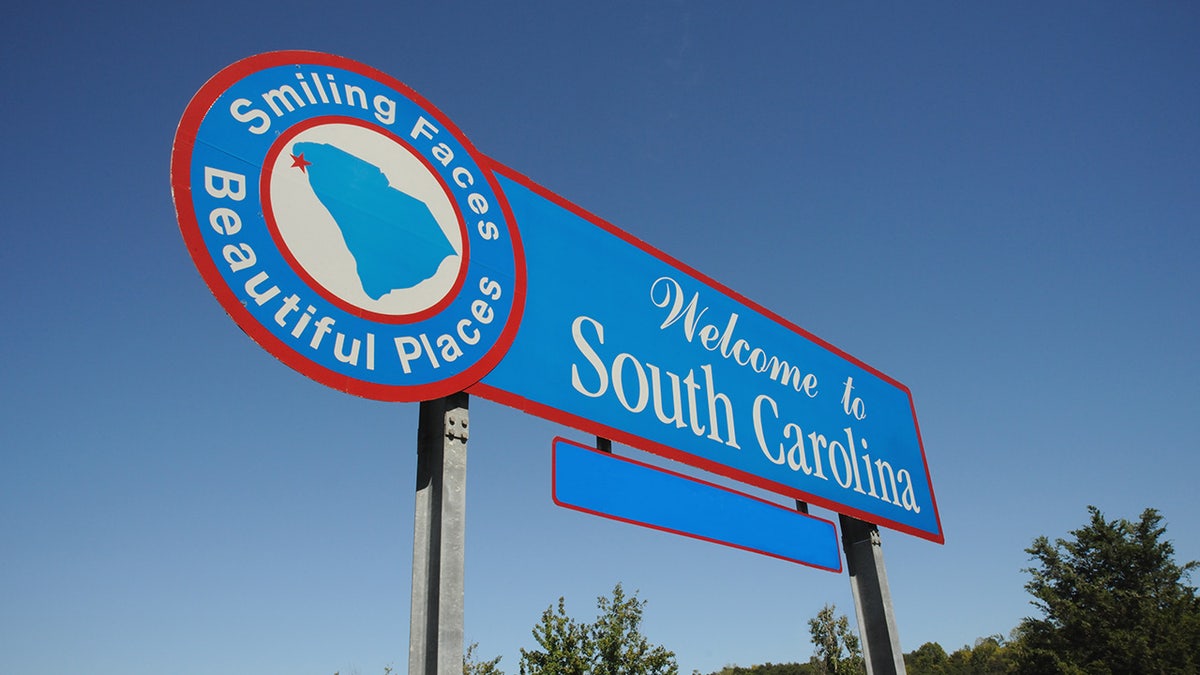
While North Carolina saw the highest net domestic migration of any state in 2023, South Carolina has recently emerged as the fastest-growing state in the nation. (Getty Images)
"Population growth has come across age cohorts, with young professionals attracted to skilled jobs in larger cities, and seniors drawn to retirement options in coastal metros," Oxford researchers explained.
Charlotte remains the heavy hitter of the Carolinas. As the region’s largest city and a major financial hub, it saw a net migration of 225,500 people over the past five years.
Raleigh, North Carolina's capital and a cornerstone of the "Research Triangle," followed closely as the second-most popular metro. Between 2021 and 2025, the city is projected to see a 143,000 net inflow of residents. Other significant gainers include:
- Greenville, SC: 83,500 net inflow
- Myrtle Beach, SC: 82,000 net inflow
The primary catalyst behind this movement is housing costs. Even with significant price appreciation over the last decade, the Carolinas remain a bargain compared to the West Coast.
YOUNG PEOPLE PLAN TO LEAVE BOSTON OVER HIGH RENT AND 'SAFETY', NEW CHAMBER OF COMMERCE SURVEY SHOWS

Charlotte, North Carolina, the largest city of the Carolinas, had the highest levels of net migration over the past five years, with a net of 225,500 people moving in. (iStock)
The "house price-to-income ratio"—a key metric for affordability—sits at 4.8 in Charlotte and 4.4 in Raleigh. Both figures are below the national average of 5.0 and a fraction of the costs in major West Coast metros like San Francisco or Los Angeles, where the ratio often exceeds 10.0.
The growth in these states comes as several traditionally blue states struggle to return to pre-pandemic population levels. Major cities like Boston, New York, and Chicago have seen consistent downward trends in net migration.
Los Angeles County has been particularly hard hit. According to U.S. Census data, the county’s population has shrunk from roughly 10 million in 2020 to about 9.7 million today. Between 2022 and 2023 alone, the county lost more than 56,000 residents.
NEW YORK CITY LOST RESIDENTS ACROSS ALL INCOME LEVELS LAST YEAR, STUDY FINDS

The U.S. Census Bureau’s March report highlighted that the nation’s most populous counties — including Los Angeles, Cook County (Chicago), Harris County (Houston) and the five boroughs of New York City — saw downward trends in population. (Gary Hershorn/Getty Images)
"The nation’s largest counties ... are often international migration hubs," said Census Bureau demographer George M. Hayward. "With fewer gains from international migration, these types of counties saw their population growth diminish or even turn into loss."
As the Carolinas continue to invest in infrastructure and attract major corporate relocations, experts expect the "Sun Belt" migration trend to remain a dominant force in American demographics for the remainder of the decade.
CLICK HERE TO GET THE FOX NEWS APP
Joshua Q. Nelson is a reporter for Fox News Digital.
Joshua focuses on cultural trends, education, and public policy. He extensively covered reparations developments across the U.S., the Department of Education, and immigration issues.
Joining Fox News Digital in 2019, he previously graduated from Syracuse University with a degree in Political Science and received the University of Pennsylvania's Wharton Public Policy Certificate.
Story tips can be sent to [email protected] and Joshua can be followed on Twitter and LinkedIn.