NEWYou can now listen to Fox News articles!
As a Certified Financial Planner, I've spent more than three decades asking people one simple question before they make a major financial decision.
"How are you going to pay for it?"
It's a question every bank asks before approving a loan. It's a question every family should ask before buying a home. And it's the question every voter should ask as democratic socialism gains momentum across America. You can vote for someone as president of student council who promises free lunch, no school on Fridays, and unlimited recess, but will those policies actually be put into place and will they be successful.
Because every promise has a price tag.
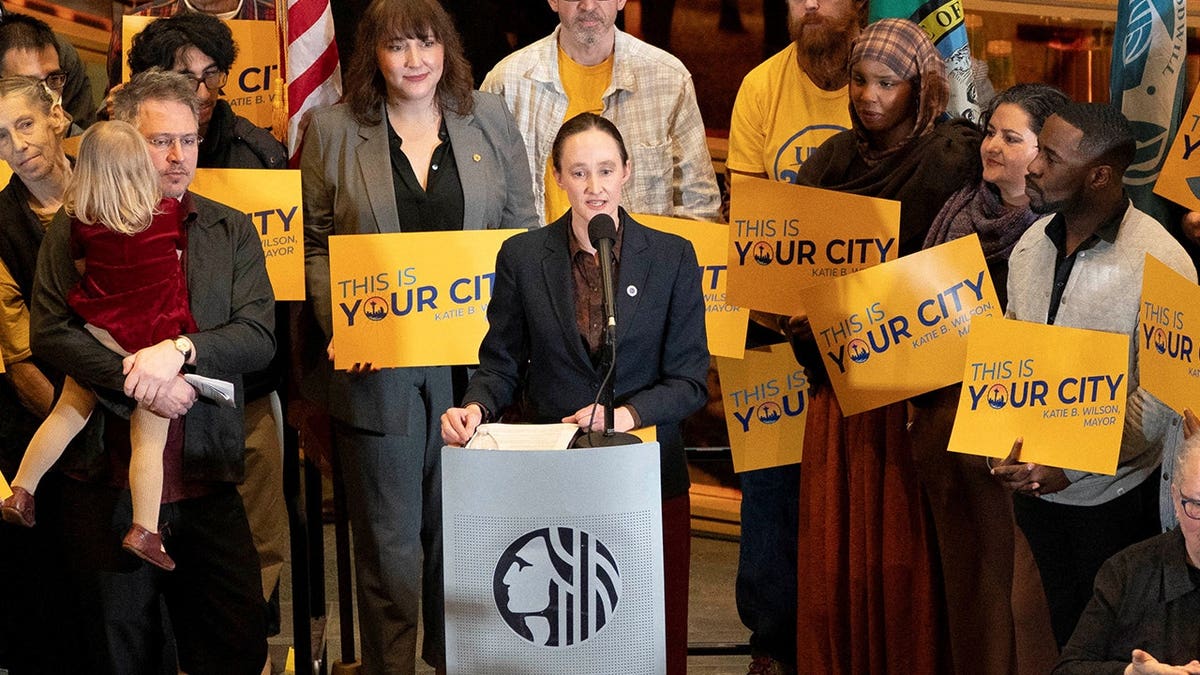
Seattle Mayor Katie Wilson's is one of several leftist politicians making big promises. (David Ryder/Reuters)
Over the past few weeks, Democratic Socialist candidates have captured national attention with proposals that include government-funded childcare, free public transit, city-owned grocery stores, tuition-free college, universal healthcare, rent freezes, expanded public housing and significantly higher taxes on wealthy Americans.
Many of these ideas sound compassionate. Some may even solve real problems.
But good intentions have never balanced a budget, and we are woefully behind on that already.
The United States is already carrying nearly $40 trillion in national debt. We continue to run trillion-dollar annual deficits. Interest on that debt is now one of the fastest-growing expenses in the federal budget, meaning taxpayers are spending hundreds of billions of dollars every year simply paying interest on yesterday's borrowing while not building roads, improving schools or strengthening our military.
Now we're being told the answer is ... more spending?
Let's look at what happens when government promises more than it can sustainably fund.
In New York City, progressive leaders have proposed policies ranging from city-owned grocery stores and free buses to major expansions of public housing and government-funded childcare. In Seattle, policymakers have pursued higher business taxes, expanded tenant protections and broader public spending to address housing affordability and inequality.
Supporters believe these policies make life more affordable.
Critics argue they increase long-term financial obligations, discourage business investment and create budget pressures that future taxpayers must absorb. Reasonable people can disagree on which side is right, but no one can disagree with one basic principle.
As a Certified Financial Planner, I've spent more than three decades asking people one simple question before they make a major financial decision. "How are you going to pay for it?"
Eventually, the bill comes due.
Here's what worries me most. America became the most prosperous nation in history because we rewarded people who created value. Entrepreneurs risked their savings to build companies. Small business owners hired employees before they knew if customers would show up. Investors funded ideas that changed the world. Workers believed that hard work and personal responsibility could improve their lives. That system wasn't perfect.
But it created more opportunity, more innovation and more wealth than any economic model in history.
When government continually expands its role, raises taxes and promises more benefits without clearly explaining how they'll be funded, we should ask whether we're creating more opportunity or simply redistributing what others have already created and stunting future generations to want to build and innovate.
As a financial advisor, I never tell clients they can spend money they don't have. That’s just common sense. I don't tell them debt doesn't matter. I don't tell them someone else will eventually pay their bills. Washington shouldn't either.
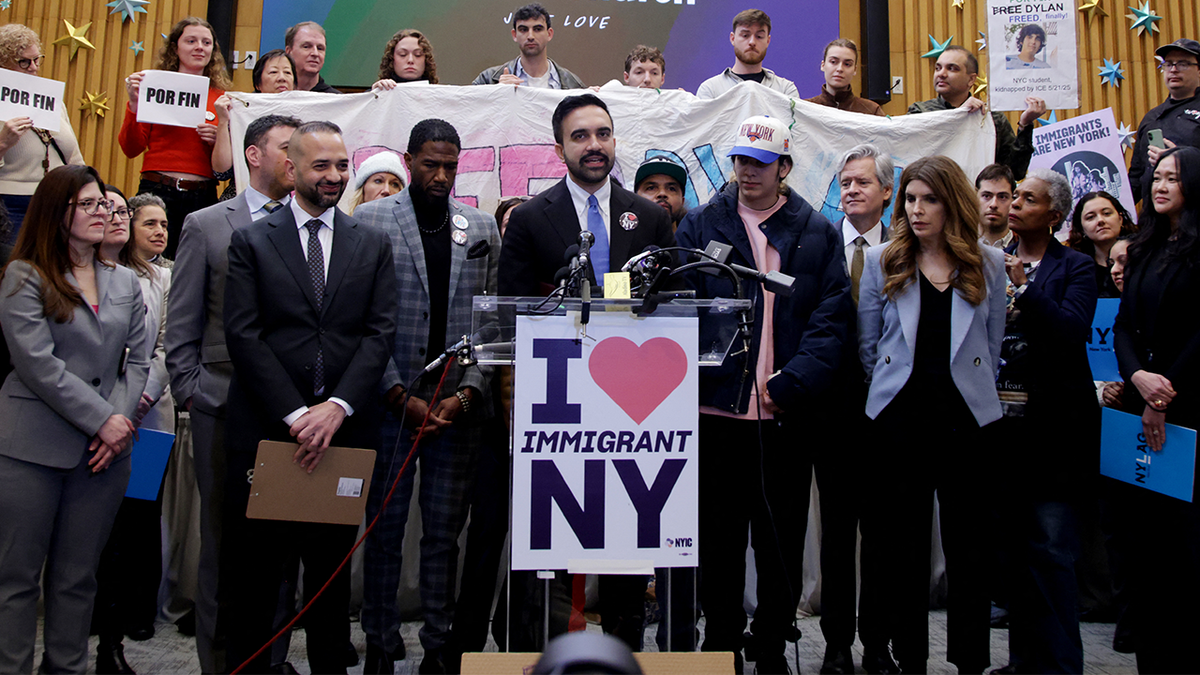
Democratic Socialist Mayor of New York Zohran Mamdani speaks during a press conference at Middle Collegiate Church in New York City on March 19, 2026. (Leonardo Munoz/AFP via Getty Images)
If politicians want to propose new programs, great. Show us the numbers. Show us how they'll be funded over the next decade and not just next year's election cycle. Show us what gets cut if revenues don't materialize. Show us how much additional debt we're willing to leave our children.
That's not a Republican question.
That's not a Democratic question.
That's an American question.
Compassion and fiscal responsibility are not opposites. In fact, lasting compassion depends on sound finances. Families know it. Businesses know it. And you know it. The federal government should know it too. America doesn't have a shortage of good ideas. It has a shortage of leaders willing to admit that every promise comes with a price tag.
CLICK HERE FOR MORE FOX NEWS OPINION
Before we embrace bigger government, let's demand something remarkably simple to understand.
CLICK HERE TO DOWNLOAD THE FOX NEWS APP
Don't just tell us what you're going to give us.
Tell us who's going to pay for it. How’s that for a democratic idea?