NEWYou can now listen to Fox News articles!
Since World War II, the U.S. military has benefitted from uncontested strategic logistics, including energy supplies. This is no longer the case.
The cyberattacks Iran conducted on U.S. water supply sites in at least seven states were not carried out in isolation. In keeping with its longstanding military doctrine, Iranian representatives have recently threatened to target American domestic energy supplies and other strategic infrastructure.
China and Russia also include attacks on American and allied energy infrastructure in their war doctrines, and it’s past time to prepare accordingly. America must take the following four steps to protect its energy from Iran and other adversary threats.
IRANIAN HACKERS ATTACKED OUR WATER SYSTEMS. HERE ARE 5 THINGS OUR LEADERS NEED TO DO NOW
First, the U.S. should require that components for our critical infrastructure not be manufactured in China or other adversary states.
Second, the government and utilities should make secure and reliable electricity a top priority, including by influencing our choice of fuel sources.
Third, the U.S. should harden electricity systems against cyber-attacks and sabotage.
Fourth, the U.S. must develop defenses against electromagnetic attacks that disrupt and destroy electronic equipment.
TRUMP IS PROVING THAT THE WAY TO BETTER OUR MILITARY IS TO SECURE OUR SUPPLY CHAINS
The border between foreign and domestic fronts in war has completely blurred as hybrid warfare has displaced conventional conflict between militaries. Iran believes that America over-relies on technology and that attacking our energy supplies will reduce our advantages during warfare . Such attacks would affect more than our troops; power to military installations runs primarily on civilian supply lines, and disruptions to domestic electricity could trigger public panic and undermine support for necessary conflict.
It could also prevent or slow American military operations. The easiest way to stop a bomber is not to shoot it down but to make the pilot lose electricity at his home or base. Chinese military doctrine, for example, calls for attacking our domestic energy sector before invading Taiwan.
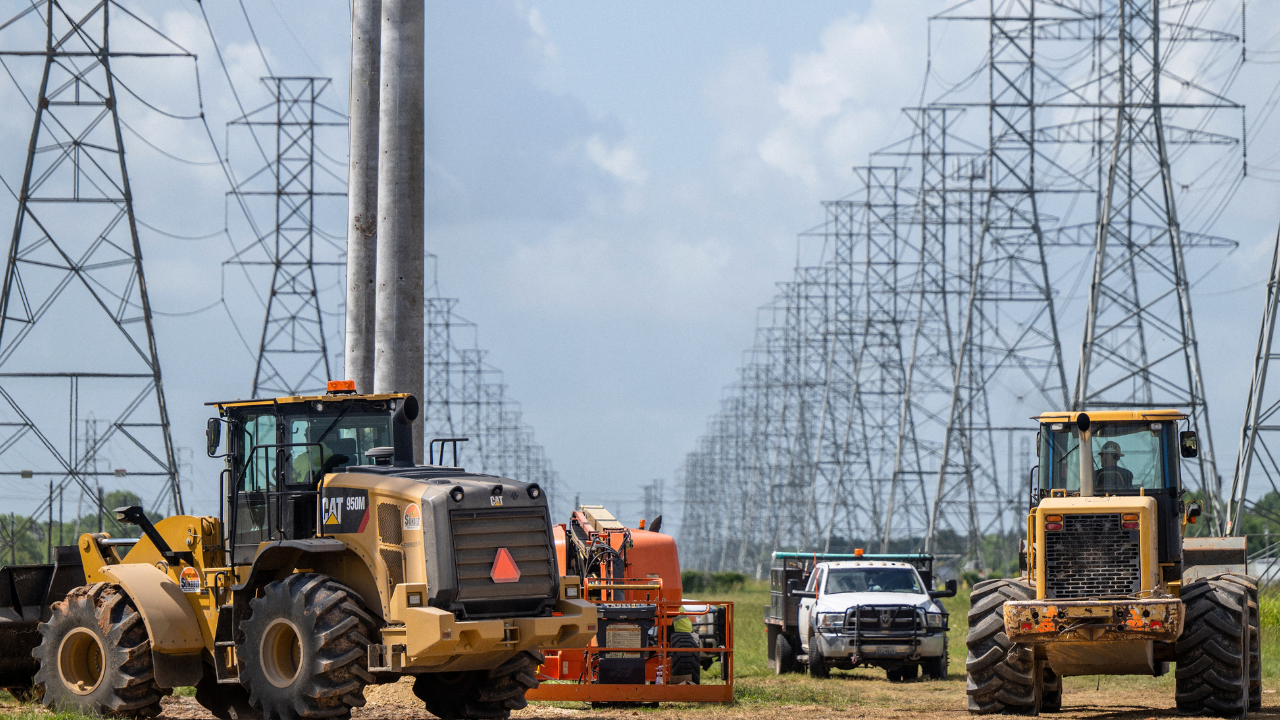
Recent years have seen multiple cases of both cyberattacks and physical sabotage of America’s domestic electricity, including the cyberattack on the Colonial Pipeline and sniper attacks on high-voltage power transformers in California, Utah, and Oregon. Unfortunately, few meaningful changes have taken place to prevent similar attacks in the future.
In fact, we have installed components in our own grids that allow China to disrupt American domestic electricity. China is the largest producer of electricity inverters, which make high-intensity current from power plants usable in homes and businesses. By remotely controlling those inverters, Beijing could trigger widespread blackouts, including to aid its Iranian ally. Chinese inverters and other Chinese components must be removed from all American electricity systems.
TRUMP'S AMBITIOUS ENERGY BET COULD BE A WINNING HAND AS THE WORLD BURNS MORE OIL, GAS THAN EVER
That’s just one way an adversary can assault our grid, however. Simply by modulating the frequency of electricity in power plants, transformers, and other infrastructure, foreign adversaries can cause fires, generate explosions, and kill personnel.
Electro-magnetic pulses (EMP) can cause even bigger and more lasting damage. China, Russia, and North Korea all have EMP capability, and Iran was reportedly close to achieving it prior to the American-Israeli offensive in June of 2025.
But not all of our grid’s security issues come from overseas. Over the last decade, the U.S. and many allies have invested heavily in renewable energy. In some places this makes sense, but in others it has added vulnerability and instability to electricity grids.
CLICK HERE FOR MORE FOX NEWS OPINION
Europe and the UK, through their net-zero policies, and Taiwan, through closing its nuclear power plants, have severely compromised their energy security and thus their physical security. If their ability to provide stable energy to their societies as well as U.S. forces operating there in wartime is compromised, so is our ability to defend them. Facing an international axis of adversaries, utilities and governments should give highest priority to security of supply of electricity.
To be clear: we have not failed — yet. In fact, our vulnerability is a product of our success. Technologically advanced militaries and societies like the U.S. and its allies have more to lose from attacks on our energy than less electrified countries like North Korea, or those with already unreliable electricity and water access like Iran. The American military is especially dependent on electricity and electronics, which are heavily integrated into communications, logistics, and weapons systems alike. These capabilities helped us become the world’s unquestioned military leader, but they must also be zealously guarded.
CLICK HERE TO DOWNLOAD THE FOX NEWS APP
Attacking our energy is certainly a priority of U.S. adversaries. Protecting it must be our priority in turn.
Brenda Shaffer is a faculty member of the Energy Academic Group.
Alan R. Howard is the Chair of the Energy Academic Group at the US Naval Postgraduate School.