NEWYou can now listen to Fox News articles!
Nearly half of cancers could be avoided by cutting out three major risk factors, a new study has revealed.
Research published this week in Nature Medicine identified that nearly 40% of global cancer cases are linked to tobacco (15% of new cases), infections (10%) and alcohol consumption (3%).
Overall, 7.1 million cancer diagnoses in 2022 were linked to 30 modifiable risk factors, according to the study.
DOES CANCER REDUCE ALZHEIMER'S RISK? NEW STUDY EXPLORES THE CONNECTION
"The key here is that almost half of all cancers could be prevented by behavioral changes," Dr. Marc Siegel, Fox News Digital senior medical analyst, told Fox News Digital.
Conducted by the World Health Organization and its International Agency for Research on Cancer (IARC), the study analyzed global cancer data across 185 countries, matching it with exposure data for the 30 risk factors.
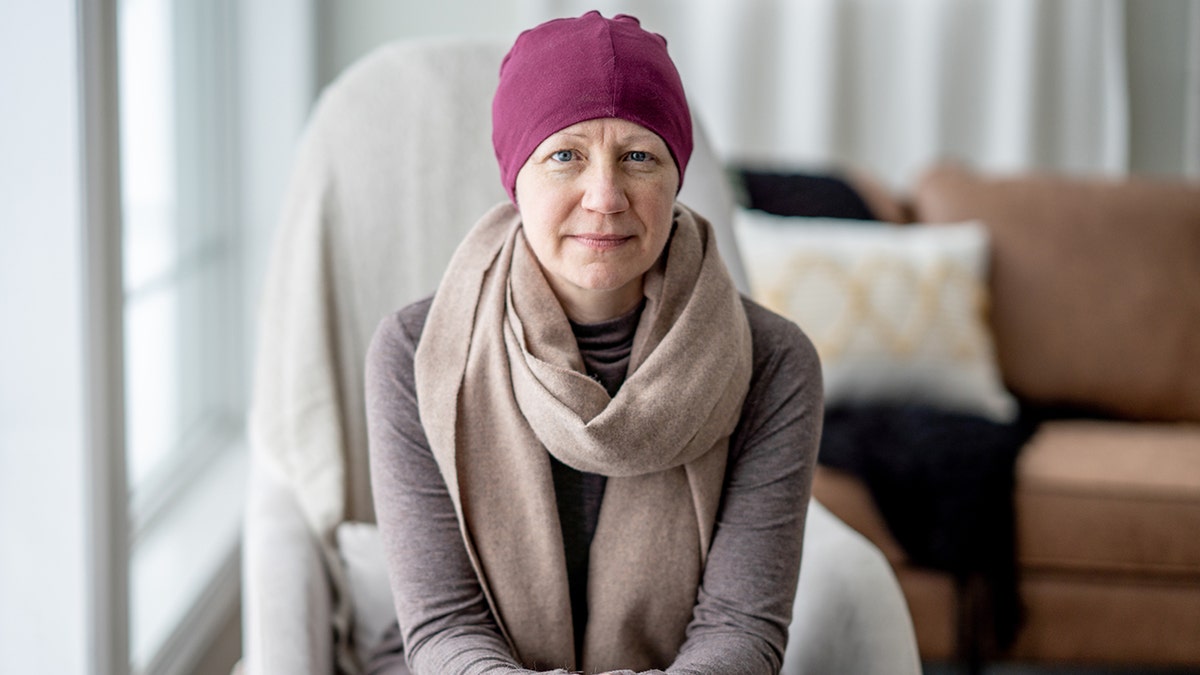
Nearly half of cancers could be avoided by cutting out three major risk factors, a new study has revealed. (iStock)
Lung, stomach and cervical cancers accounted for nearly half of the cases that were linked to modifiable risks, with many linked to viruses and bacteria like the human papillomavirus (HPV), hepatitis B and C, and Helicobacter pylori (a common bacterium that infects the stomach lining).
"Preventable cancers of the cervix and throat are directly linked to the HPV virus and can be prevented by the HPV vaccine," added Siegel, who was not involved in the study.
DEADLY CANCER RISK SPIKES WITH CERTAIN LEVEL OF ALCOHOL CONSUMPTION, STUDY FINDS
Lung cancer, throat and GI cancers, and several others were linked to cigarette smoking, and alcohol was associated with breast, liver, colon and throat cancer, the doctor noted.
"Environmental factors are also key, varying by geography — 45% of new cancers could be prevented in men, and 30% in women," he said.

Lung, stomach and cervical cancers accounted for nearly half of the cases that were linked to modifiable risks. (iStock)
Study author Hanna Fink, from the Cancer Surveillance Branch at IARC/WHO, said the main message is that many cancers can be prevented.
"Almost four in 10 new cancer cases worldwide, which represent 7.1 million lives that don’t need to be changed by a cancer diagnosis, were linked to things we can change or modify through awareness and public-health action," she told Fox News Digital.
COMMON VITAMIN BYPRODUCT MAY HELP CANCER EVADE IMMUNE SYSTEM, STUDY FINDS
"These things include tobacco smoking, infections, alcohol consumption, excess body weight, air pollution, ultraviolet radiation and others."
Looking ahead, the researchers recommend that stronger prevention strategies targeting tobacco use, infections, unhealthy body weight and alcohol use could substantially reduce global cancer cases.
"The key here is that almost half of all cancers could be prevented by behavioral changes."
"The study reinforces that cancer prevention works, and action is most effective at the population level," Fink said.
"Governments and communities play a crucial role by making healthy choices easier, for example, through higher tobacco and alcohol taxes, smoke-free policies, clear health warnings, safer workplaces, cleaner air, and affordable access to vaccination and screening. Individuals can support these by advocating for healthier environments and using available preventive services."
Reducing the risk
The AIRC offers the following recommendations to minimize cancer risk.
CLICK HERE TO SIGN UP FOR OUR HEALTH NEWSLETTER
- Do not smoke, and if you do smoke, seek help to quit.
- Keep alcohol intake as low as possible, as "there is no safe level of alcohol for cancer risk."
- Aim for a healthy body weight over time with a balanced diet and regular physical activity.
- Move more and sit less, as even small amounts of daily movement help.
- Take advantage of vaccines, especially the HPV vaccination for young people and the hepatitis B vaccination.

Tobacco was linked to 15% of new cancer cases, making it the largest modifiable risk factor. (iStock)
"As a family physician, I try to help my patients understand how important their daily habits are in lowering their future cancer risk," said Dr. Chris Scuderi, a cancer survivor and Florida-based family physician.
The doctor’s key prevention targets include daily exercise, consistent and restorative sleep, a Mediterranean-style diet, regular doctor's visits and sufficient rest.
CLICK HERE FOR MORE HEALTH STORIES
"Small daily wins add up to make a powerful difference over time," added Scuderi, who also was not involved in the research. "It’s also essential to stay on top of your routine screenings, which your family physician can help you with."
Potential limitations
The study did have some limitations. The researchers often used data from around 2012 due to the long delay between exposure and cancer, which means the data may not reflect the most recent behaviors or environments.
CLICK HERE TO DOWNLOAD THE FOX NEWS APP
"This is a necessary simplification, because in reality, latency can be longer or shorter depending on the cancer and the exposure," Fink noted.

A doctor recommended daily exercise, consistent and restorative sleep, a Mediterranean-style diet, regular doctor's visits and sufficient rest to help reduce risk. (iStock)
Siegel pointed out that cancer types vary by geographic region — for example, stomach cancer is more prominent in Asia — and the relationships between risk factors and cancer prevalence can differ between countries, populations and time periods.
"We rely on the best available data on how common each risk factor is in different countries and how strongly it is linked to cancer, but these data are not perfect and are weaker in some low- and middle-income countries," Fink said.
TEST YOURSELF WITH OUR LATEST LIFESTYLE QUIZ
Finally, the study only looked at 30 risk factors with the strongest evidence and global data.
"Our estimate of ‘almost 40% of cancers are preventable’ is very likely conservative," the researcher added. "Some other suspected causes, such as certain aspects of diet, could not be included because the science or the data are not yet robust enough at a global level."
Melissa Rudy is senior health editor and a member of the lifestyle team at Fox News Digital. Story tips can be sent to [email protected].