NEWYou can now listen to Fox News articles!
A new California law is expanding the state’s use of DNA technology in missing persons investigations, giving authorities another tool to identify unknown people and revisit unresolved cases.
Gov. Gavin Newsom, a Democrat, signed the measure into law last month, loosening restrictions on California’s Missing Persons DNA Program.
The program had previously been limited to identifying deceased individuals. Under the expanded law, its database may also be used to identify unknown people who are alive, allowing state forensic resources to assist in a wider range of investigations.

The measure was signed into law last month by Democrat Gov. Gavin Newsom. (Justin Sullivan/Getty Images)
The program supports coroners, medical examiners and law enforcement agencies seeking to identify missing or unknown individuals across California.
"Any missing person case — adult, child, MMIP, or otherwise — is one too many. No family should know the prolonged uncertainty of waiting for answers, and together we’re making it clear that California takes action," state Attorney General Rob Bonta, a Democrat, said in a statement last month.
"AB 2018 is the right tool at the right time that will advance California’s ability to resolve missing persons cases and rekindle hope. I look forward to continuing the vital work of delivering justice for missing persons and their loved ones," he continued.
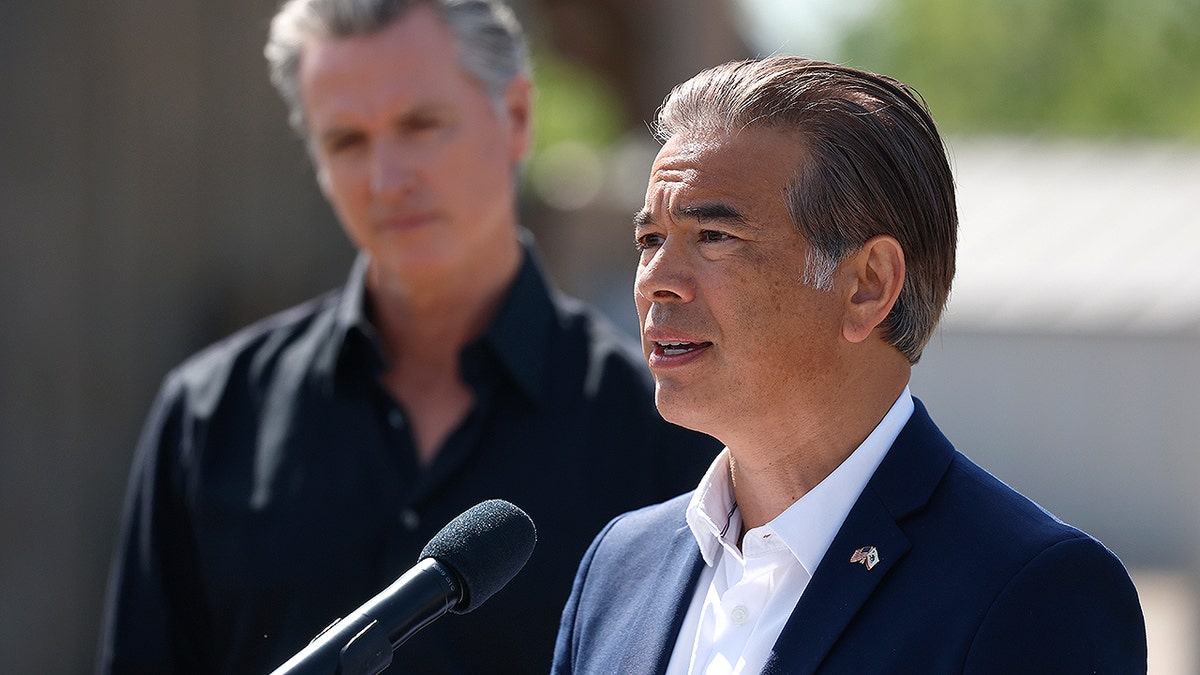
The program helps coroners, medical examiners and law enforcement agencies across the state to identify missing persons. (Justin Sullivan/Getty Images)
Assemblymember James Ramos, a Democrat, authored the legislation. He said the changes will make forensic identification resources more accessible to investigators and could help families who have waited years for answers.
"AB 2018 will help all families with missing loved ones receive the answers they need," Ramos said. "This modernization is especially urgent given the disproportionate number of Missing and Murdered Indigenous Persons plaguing our state. Ensuring our justice system personnel have the tools they need to perform effectively is critical to bringing resolution to cases involving the missing."
The law also changes how long certain DNA samples may remain in the state’s system.
Previously, DNA collected from relatives of missing people was destroyed after remains were identified. The state may now retain samples when investigators believe additional related remains could later be recovered and require identification.
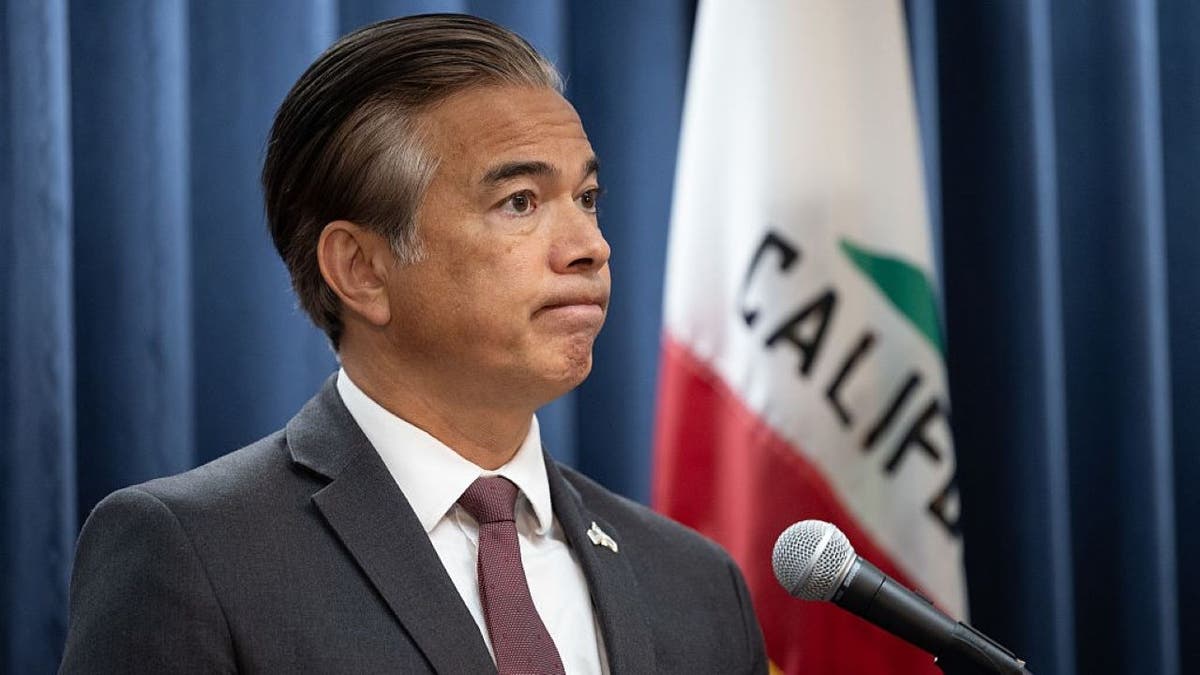
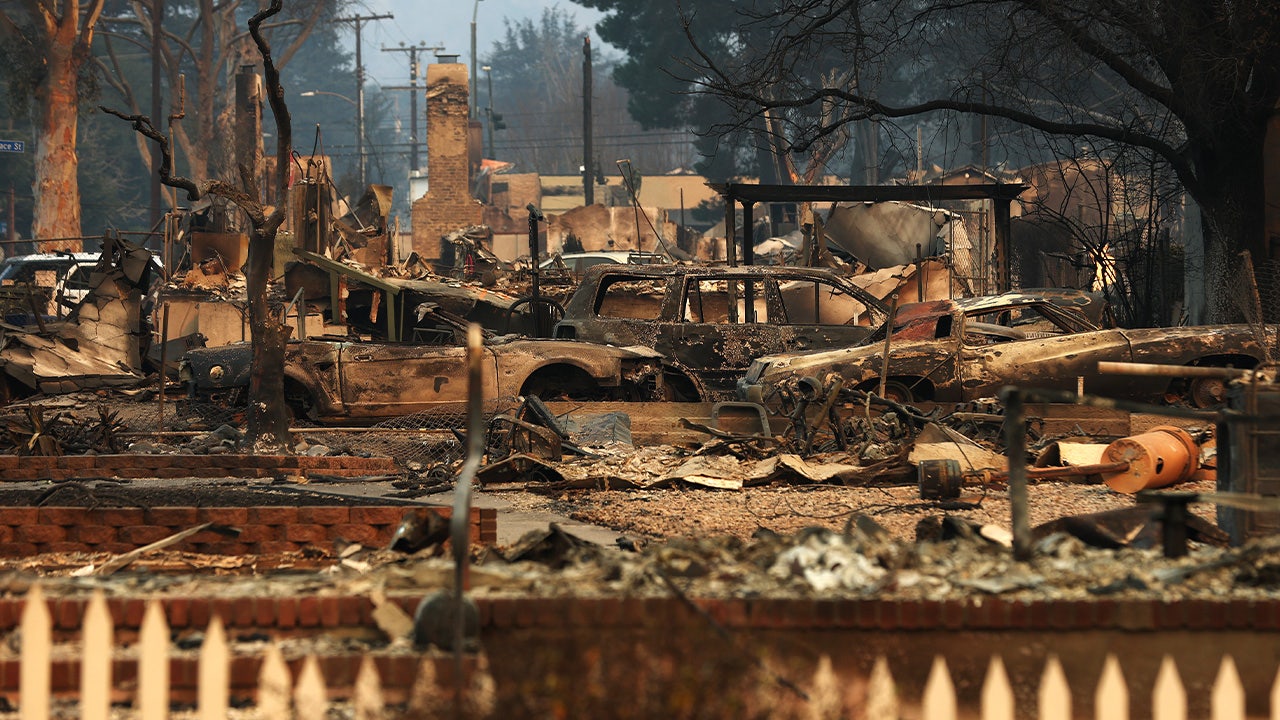
On top of broadening the scope of the database, the law keeps relevant DNA on file for longer periods. (Myung J. Chun / Los Angeles Times via Getty Images)
The expanded authority comes as law enforcement agencies and forensic specialists in Northern California continue using newer DNA-analysis techniques to examine cold cases, according to Fox 40.
The Calaveras Cold Case Task Force was established in 2020 to reexamine unresolved cases in the county. The nonprofit team includes local law enforcement officials and scientists who use advanced forensic methods, including DNA analysis, to pursue new leads.
CLICK HERE TO DOWNLOAD THE FOX NEWS APP
Supporters of the law say the changes could reduce barriers for local investigators while giving families of missing people a greater chance of learning what happened to their loved ones.