NEWYou can now listen to Fox News articles!
Beef is at record high prices and Americans are buying more of it than ever.
In 2025, shoppers spent more than $45 billion on beef, buying more than 6.2 billion pounds, according to data from Beef Research, a contractor for the National Cattlemen’s Beef Association. That's enough to give everyone on the planet three hamburgers.
Compared to the year prior, spending rose about 12%, while the amount of beef sold climbed more than 4%. In short, consumers aren’t just paying higher prices; they’re buying more beef, too.
That demand is also reflected in the meat case, where beef accounts for more than half of all fresh meat dollars, far outpacing other protein options like chicken, pork and seafood.
THE SINGLE CRUSHING PROBLEM AMERICAN CATTLE RANCHERS WISH TRUMP WOULD FIX INSTEAD
According to U.S. Department of Agriculture data, the average price of beef in grocery stores climbed from about $8.40 per pound in March to $10.10 per pound by December 2025, a roughly 20% increase.
Economists say that deep-rooted demand is helping drive prices higher and there’s little sign it will ease anytime soon.
Glynn Tonsor, a professor of agricultural economics at Kansas State University, told Fox News Digital that strong consumer demand continues to push beef prices upward.
"There’s nothing that forces me or you or anybody else when we go into the grocery store to pay more for beef. People are choosing to," he said. "The consumer desire for beef is strong and, regardless of the supply-side situation, that has the effect of pulling prices up."
IN TEXAS CATTLE COUNTRY, ONE RANCHER WELCOMES TRUMP’S FOCUS ON DECADES OF THIN MARGINS
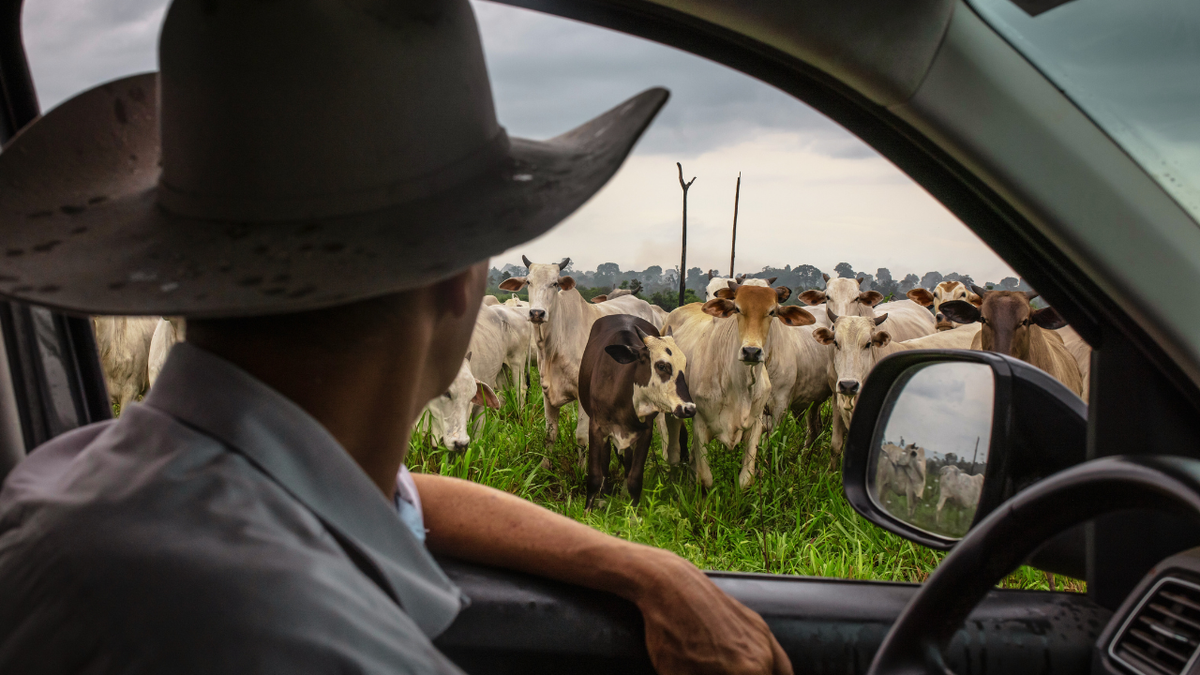
Rancher inspects cattle from his truck. (Jonne Roriz/Bloomberg/Getty Images)
But even with strong consumer appetite keeping the market buoyant, ranchers are facing challenges on the other end of the supply chain.
Years of drought, high feed costs and an aging ranching population have thinned herds across the country, leaving the U.S. cattle supply at its lowest level in more than 70 years.
CLICK HERE TO GET THE FOX NEWS APP
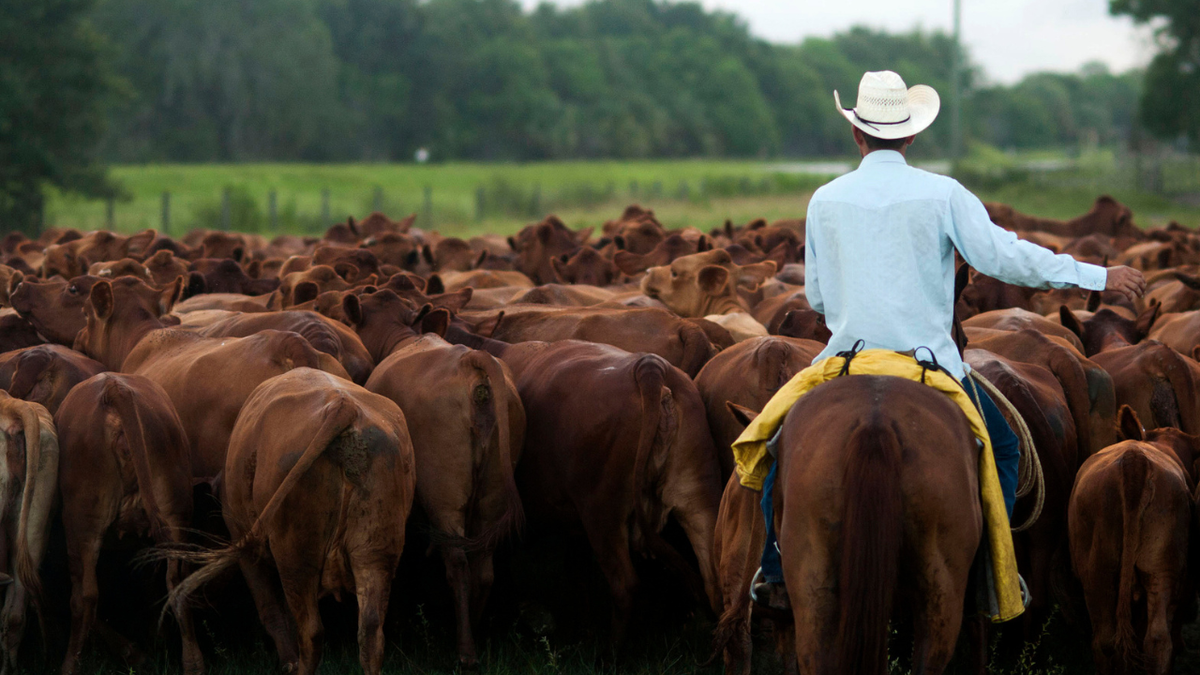
A ranch hand drives cattle into the pens at Adams Ranch Inc. in St. Lucie County, Florida, on July 9, 2013. (Ty Wright/Bloomberg/Getty Images)
Derrell Peel, a professor of agricultural economics at Oklahoma State University, said the current supply crunch won’t be fixed overnight.
"The fact of the matter is there’s really nothing anybody can do to change this very quickly," Peel said. "We're in a tight supply situation that took several years to develop, and it’ll take several years to get out of it."
Meanwhile, the Trump administration says it is working to ease beef prices by temporarily increasing imports from Argentina, while also laying out longer-term plans to bolster the U.S. cattle industry.
Amanda covers the intersection of business and politics for Fox News Digital.